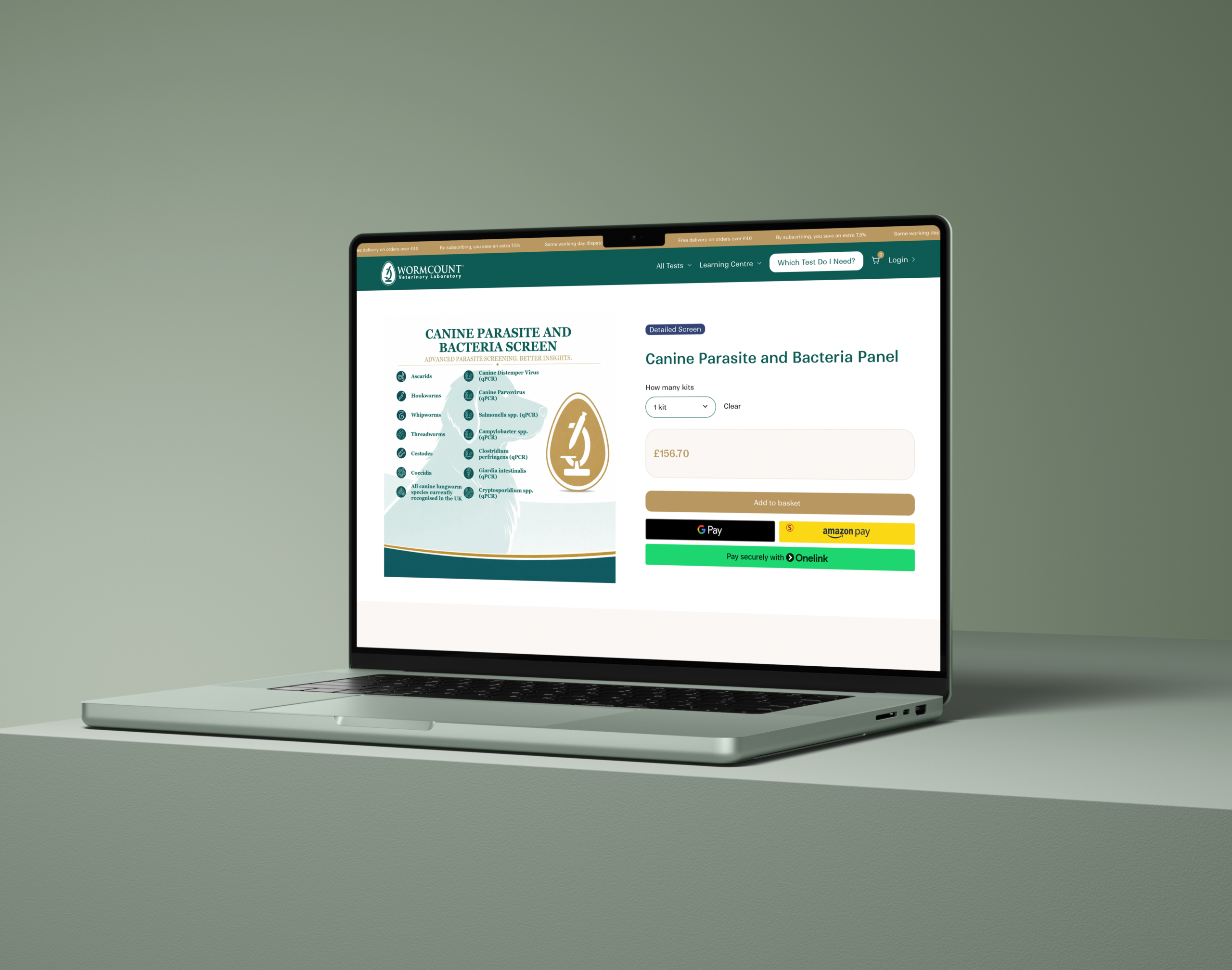
Detailed Screen

Canine Diarrhoea Panel

Further information

Comprehensive Canine Diarrhoea Pathogen Panel

Accurate, all-in-one testing for some of the most common causes of diarrhoea in dogs.

Pathogens Tested:

  • Viruses: Canine Distemper Virus (CDV), Canine Parvovirus
  • Bacteria: Salmonella spp., Campylobacter spp., Clostridium perfringens
  • Protozoa: Giardia intestinalis, Cryptosporidium spp.

Why Choose This Test?

  • Advanced Pathogen Detection with qPCR
    Our laboratory uses quantitative polymerase chain reaction (qPCR) technology to accurately identify viruses, bacteria, and protozoa that commonly cause diarrhoea in dogs.
  • Easy At Home Collection
    The kit includes everything you need with clear, step-by-step instructions for simple stool sample collection.
  • Cost Effective & Convenient
    Screen for multiple potential causes of diarrhoea in one test—saving time, money, and avoiding unnecessary treatments.
  • Early, Reliable Results
    Early detection means you can take swift action to help your dog recover sooner.

How It Works

  1. Order Your Test Kit
    Receive a complete kit with easy-to-follow instructions.
  2. Collect Your Dog’s Sample
    Use the provided tools to collect a stool sample.
  3. Send It Back
    Return your sample using the prepaid packaging.
  4. Laboratory Testing
    Our expert team analyses the sample using advanced qPCR methods.
  5. Receive Your Results
    Get a detailed report outlining any detected pathogens and guidance on next steps.

Diarrhoea in dogs is a common symptom that may indicate anything from a mild digestive upset to a more serious health concern. While many cases resolve on their own, others result from underlying conditions that need prompt attention. Therefore, if your dog has loose or watery stools, it’s essential to understand the possible causes and know when to test.

Recognising the root cause early helps reduce discomfort, prevent complications, and guide effective treatment. In some cases, diarrhoea also signals a contagious infection that could spread to other pets or even people in your household. As a result, timely testing plays a vital role in protecting both your dog and your home.

Common Causes of Dog Diarrhoea

Several factors may lead to diarrhoea in dogs. These include:

  • Dietary indiscretion – Dogs often eat spoiled food, rubbish, or non-food items, which upsets digestion.

  • Sudden diet changes – Switching food too quickly can overwhelm the digestive system.

  • Food intolerances or allergies – Ingredients like chicken, beef, dairy, or grains frequently trigger symptoms.

  • Parasites – Worms, Giardia, and Coccidia are common in young or recently rescued dogs.

  • Infectious agents – Pathogens such as Salmonella, Campylobacter, Parvovirus, or Cryptosporidium disrupt gut health.

  • Stress or anxiety – Travel, boarding, or lifestyle changes often lead to digestive upset.

Additionally, chronic conditions such as pancreatitis, IBD (inflammatory bowel disease), or liver disease may contribute to longer-term diarrhoea. However, parasites and pathogens remain among the most frequent and treatable triggers. That’s why diagnostic testing is often the most logical and efficient first step.

Common Infectious Causes of Dog Diarrhoea

When diarrhoea persists or becomes severe, infections are often the cause. For this reason, our Canine Diarrhoea Screen helps identify the most common infectious agents quickly and accurately. This test detects viruses, bacteria, and protozoa from a single stool sample, giving you the answers you need.

Viruses:

  • Canine Parvovirus (CPV) – A highly contagious virus that causes vomiting, bloody diarrhoea, and severe dehydration, especially in puppies.

  • Canine Distemper Virus (CDV) – A serious infection affecting the lungs, gut, and nervous system.

Bacteria:

  • Salmonella spp. – Often found in raw diets or contaminated food and transmissible to humans.

  • Campylobacter spp. – This zoonotic bacterium causes fever, abdominal pain, and bloody diarrhoea.

  • Clostridium perfringens – This gut bacterium can multiply rapidly and lead to digestive inflammation.

Protozoa:

  • Giardia intestinalis – This parasite causes intermittent, foul-smelling diarrhoea and survives in the environment for long periods.

  • Cryptosporidium spp. – Another waterborne parasite that can trigger ongoing gastrointestinal upset, especially in vulnerable dogs.

Without accurate testing, these pathogens often go undetected. Consequently, misdiagnosis or incorrect treatment may follow.

Why Use This Test?

  • Comprehensive Testing with qPCR – Advanced molecular methods detect even low-level infections that traditional tests may miss.

  • Fast Turnaround – Results are processed within 1–5 working days, allowing for quick decision-making.

Moreover, many owners use this screen as part of routine health monitoring—especially for dogs on raw diets, with recurring gut issues, or after time spent in kennels or shared environments. Ultimately, it provides clarity and peace of mind.

When Should You Test?

You should consider using the Diarrhoea Screen if your dog:

  • Has loose or watery stools lasting more than 48 hours

  • Shows signs of tiredness, weight loss, or reduced appetite

  • Is a puppy, senior, or immunocompromised

  • Recently stayed in kennels or travelled

  • Had parasite treatment but symptoms returned

By identifying the underlying cause, you can act with confidence, treat the issue appropriately, and prevent further complications. Above all, this test gives your dog the best chance at a swift and complete recovery.

If your dog’s diarrhoea is unexplained or ongoing, consider ordering the Canine Parasite and Bacteria Screen.

Testing can take up to 5 working days using highly accurate qPCR testing techniques. A separate report will be provided detailing the Canine Distemper Virus (CDV), Salmonella spp, Campylobacter, Canine Parvovirus, Giardia intestinalis, Cryptosporidium spp, Clostridium perfringens results.

There is a ‘use by date’ on each kit which MUST be adhered to. The use by date will be at least 6 weeks from date of order. Unfortunately, no refunds can be given for late submission or unused tests however please contact the office to discuss options if this occurs.

How does it work?

1. Choose and order your test

Select the appropriate parasite test for your animal(s), or use our quick guide to find the most suitable option.

1. Choose and order your test

Collect the sample using your test kit and return it to our laboratory using the free, 24-hour tracked delivery which is included in your kit.

2. Send your sample

The laboratory team analyses your sample and provides a detailed PDF report via email, with access to our clinical team for further guidance if needed.

3. Receive your results
1. Choose and order your test
2. Send your sample
Receive your results
Related Tests